Introduction
A herniated disc is a common spine problem. It happens when the soft center of a spinal disc pushes out through a crack in the tough outer layer. This can press on nerves and cause pain. Many people search for herniated disc symptoms and herniated disc treatment because this condition can affect daily life. Understanding the basics can help you know when to seek orthopedic spine care.
What is a Herniated Disc?
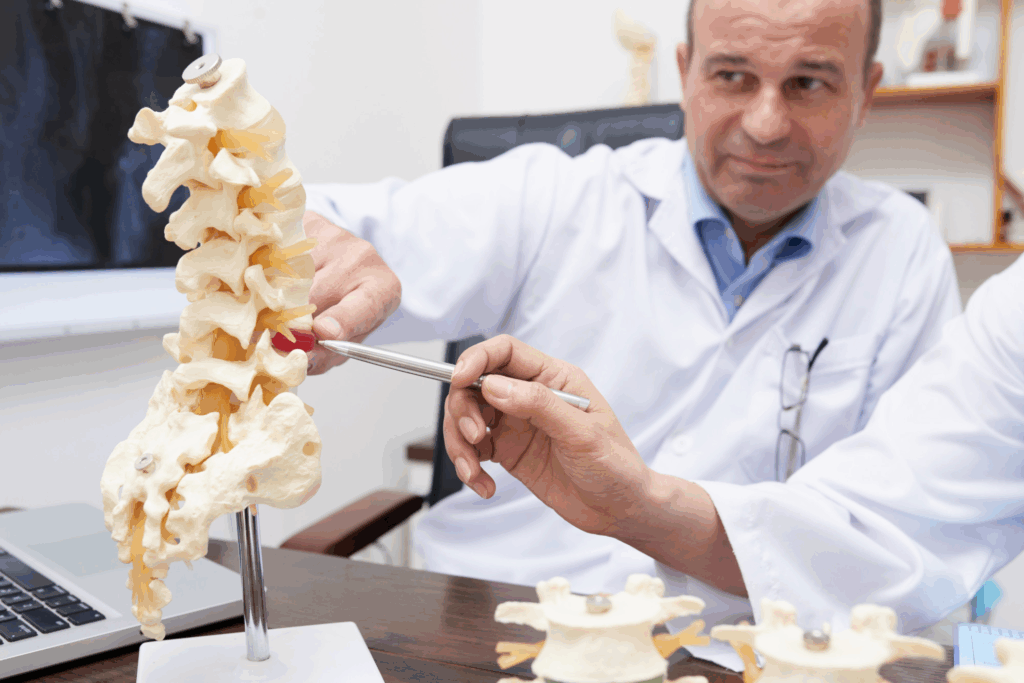
The spine is made up of bones called vertebrae. Between each bone, there are soft discs that act like cushions. Sometimes, the soft part inside a disc slips out. This is called a herniated disc. It is also known as a slipped disc or ruptured disc. When this happens, the disc can press on nearby nerves. As a result, you may feel pain, numbness, or weakness.
Common Symptoms of a Herniated Disc
Not everyone with a herniated disc has symptoms. However, many people notice changes in their body. For example, you may feel:
Sometimes, coughing or sneezing can make the pain worse. If you have trouble controlling your bladder or bowels, seek medical help right away.
Causes and Risk Factors
There are several reasons why a herniated disc may occur. Most often, it happens because of wear and tear as we age. This is called disc degeneration. In addition, certain factors can increase your risk:
Even though anyone can get a herniated disc, it is more common in people aged 30 to 50.
How is a Herniated Disc Diagnosed?
Doctors use several steps to diagnose a herniated disc. First, they ask about your symptoms and medical history. Next, they perform a physical exam to check your strength, reflexes, and feeling in your arms or legs. Sometimes, doctors order tests to see the spine more clearly. These may include:
With these tools, your orthopedic specialist can find the best herniated disc treatment for you.
Treatment Options for Herniated Disc
Most people with a herniated disc get better with simple treatments. In many cases, surgery is not needed. Common treatment options include:
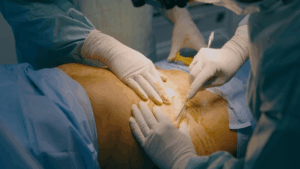
Sometimes, doctors may suggest steroid injections to reduce swelling. If symptoms do not improve after several weeks, or if you have severe nerve problems, surgery may be an option. Orthopedic spine care specialists can help you decide what is best.
Prevention and Lifestyle Tips
While you cannot always prevent a herniated disc, you can lower your risk. Try these tips:
Additionally, taking breaks from sitting and stretching often can help keep your back strong.
Conclusion
A herniated disc can cause pain and limit your movement. However, with the right care, most people recover well.
If you have ongoing back pain or other symptoms, consult an orthopedic specialist at Pyramid Hospital for personalized advice on herniated disc care.