What is ORIF?
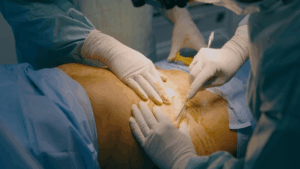
ORIF stands for Open Reduction and Internal Fixation. It is a type of orthopedic surgery. Doctors use this procedure to fix broken bones. During ORIF, the surgeon first makes a cut to reach the bone. Then, they move the bone pieces into the correct position. After that, they use metal plates, screws, or rods to hold the bone in place. This helps the bone heal properly and quickly.
When is ORIF Needed?
Sometimes, a broken bone cannot heal on its own. In these cases, ORIF may be needed. For example, if the bone is broken into many pieces, it may not line up well. Also, if the bone has moved out of place, it may not heal right without help. ORIF is often used for:
In many cases, doctors will suggest ORIF if they believe it will give the best chance for full recovery.
Symptoms and Signs Indicating ORIF
Not every broken bone needs surgery. However, some signs may show that ORIF is needed. For instance, you may notice:
If you notice these symptoms, seek medical help right away. Early treatment can help prevent problems.
The ORIF Procedure: Step-by-Step
Doctors follow several steps during open reduction internal fixation surgery. Here is what usually happens:
After surgery, you will be moved to a recovery area. Nurses will watch you closely as you wake up.
Recovery and Aftercare
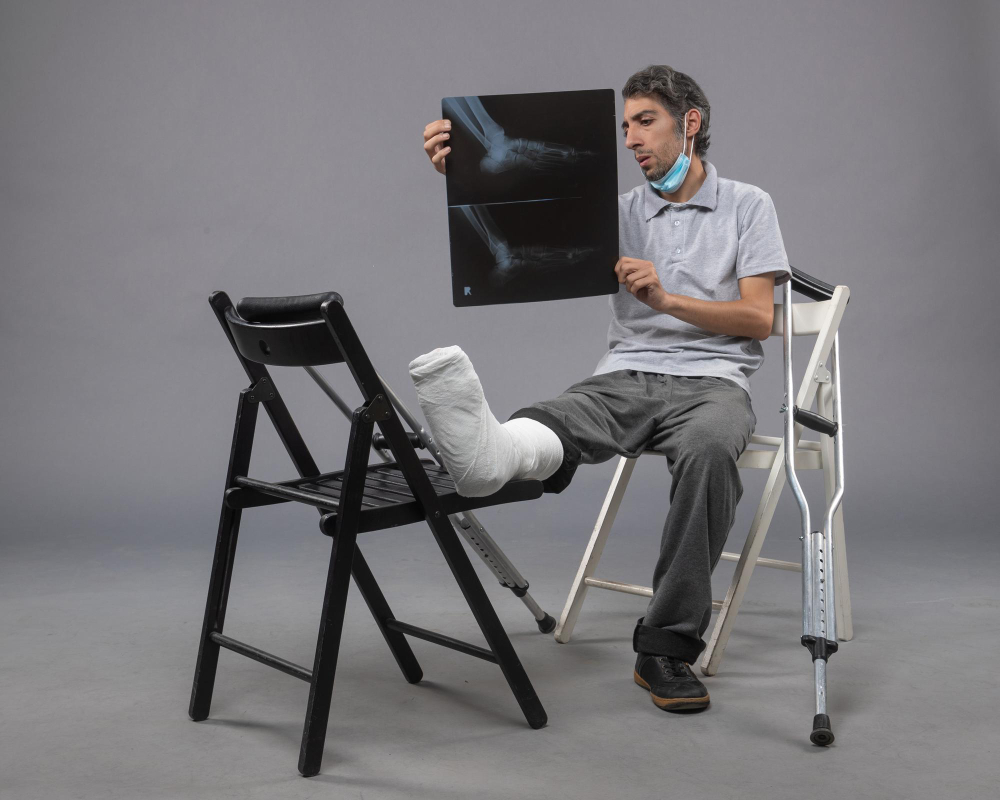
Recovery time after ORIF can vary. For some people, healing takes a few weeks. For others, it may take several months. However, most people can return to normal activities with care. Here are some tips for recovery:
With proper care, most people heal well after ORIF. Still, it is important to watch for signs of infection, such as redness, swelling, or fever.
Risks and Complications
Like any surgery, ORIF has some risks. Although most people do well, problems can happen. Possible risks include:
If you notice pain, swelling, or fever after surgery, contact your doctor. Early treatment can help prevent serious problems.
Prevention and Lifestyle Tips
While not all fractures can be prevented, you can lower your risk. For example, you can:
By taking these steps, you can help protect your bones and avoid injuries that may need ORIF.
Frequently Asked Questions about ORIF
If you have more questions about your fracture or treatment options, speak with your orthopaedic surgeon—they can provide clarity based on your specific condition and needs.
For personalised advice on ORIF (Open Reduction and Internal Fixation) and whether it is the right treatment for your injury, consult the orthopaedic specialists at Pyramid Hospital. Their experts offer accurate assessment, advanced surgical care, and customised recovery plans.
Your healing starts with the right orthopaedic guidance.